


Overview Table
| Aspect | Key Points |
|---|---|
| Definition | Internet blackouts are partial or complete disruptions of internet connectivity |
| Scale | Can occur locally, nationally, regionally, or theoretically on a global scale |
| Causes | Technical failures, cyberattacks, government actions, natural disasters |
| Infrastructure | Decentralized global network of cables, data centers, and protocols |
| Global Shutdown | Extremely unlikely but limited global disruption is possible |
| Impact | Communication loss, economic disruption, information blackout |
| Recovery | Depends on cause, redundancy, and response coordination |
| Future Risk | Increasing complexity raises risks, but resilience is also improving |
Introduction
The internet has become one of the most critical infrastructures of the modern world. It powers communication, finance, education, healthcare, entertainment, and governance. For billions of people, daily life is deeply intertwined with uninterrupted internet access. As a result, the idea of an internet blackout raises serious concerns. When services suddenly stop working, questions emerge about how fragile or resilient the global internet truly is.
Internet blackouts are often discussed in the context of regional shutdowns, government restrictions, or technical failures. However, a much bigger and more unsettling question exists: can the internet go down globally? Understanding this requires examining how the internet is built, how data flows across borders, and how resilient the system is to failures and attacks.
This article explores the concept of internet blackouts in depth. It explains how the internet works, the types of Internet Blackouts that occur, the realistic risks of large-scale outages, and whether a complete global internet shutdown is possible.
Understanding What an Internet Blackout Is
Definition of an Internet Blackout
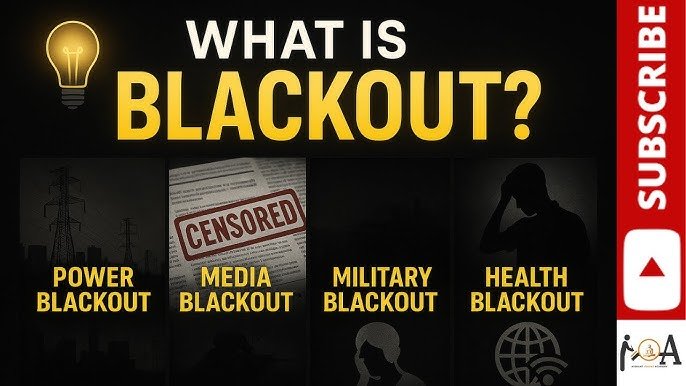
An internet blackout refers to a disruption in internet access that prevents users from sending or receiving data online. This disruption can range from slow speeds and limited access to a complete loss of connectivity. Internet Blackouts can affect individuals, cities, countries, or regions.
Partial vs Complete Blackouts
Not all internet blackouts are total. Partial blackouts may block access to certain websites, platforms, or services while leaving others functional. Complete Internet Blackouts result in near-total loss of internet connectivity for affected users.
Duration of Blackouts
Internet blackouts can last minutes, hours, days, or even longer. The duration depends on the cause, the scale of the outage, and how quickly repairs or restorations can be carried out.
How the Internet Actually Works
A Network of Networks
The internet is not a single centralized system. It is a vast network of interconnected networks operated by internet service providers, governments, corporations, and institutions. These networks communicate using standardized protocols that allow data to move across borders and systems.
Role of Internet Service Providers
Internet service providers connect users to the broader internet. They manage local infrastructure such as fiber lines, cellular towers, and routing equipment. If an ISP fails, users connected to it lose access, even if the rest of the internet remains operational.
Global Backbone Infrastructure
The global internet backbone consists of undersea cables, terrestrial fiber networks, data centers, and exchange points. These components carry massive volumes of data across continents and oceans.
Decentralization as a Core Principle
Decentralization is a fundamental design feature of the internet. There is no single on-off switch. This architecture was intentionally designed to withstand failures by rerouting traffic when parts of the network go offline.
Common Causes of Internet Blackouts
Technical Failures
Hardware malfunctions, software bugs, power outages, and configuration errors can cause internet disruptions. These issues are often localized but can cascade if they affect critical infrastructure.
Human Error
Mistakes during network maintenance or updates can unintentionally disrupt connectivity. Incorrect routing configurations have previously caused large portions of the internet to become temporarily unreachable.
Natural Disasters
Earthquakes, floods, hurricanes, and fires can damage physical infrastructure such as cables, data centers, and power supplies. Coastal regions are particularly vulnerable to undersea cable damage.
Cyberattacks
Cyberattacks can overwhelm or disable internet infrastructure. Distributed denial-of-service attacks flood networks with traffic, making services inaccessible. More sophisticated attacks may target routing systems or critical servers.
Government-Imposed Shutdowns
Some governments intentionally restrict or shut down internet access during political unrest, elections, or security situations. These shutdowns are usually limited to specific countries or regions.
Types of Internet Blackouts by Scale
Local Blackouts
Local Internet Blackouts affect neighborhoods, cities, or small regions. These are commonly caused by ISP outages, damaged cables, or power failures.
National Blackouts
National blackouts occur when a country experiences widespread internet disruption. This can happen due to centralized control over internet gateways, policy decisions, or coordinated technical failures.
Regional Blackouts
Regional Internet Blackouts affect multiple countries or large geographic areas. These are often linked to damage to shared infrastructure such as major undersea cables or regional exchange points.
Global Disruptions
Global disruptions involve widespread instability across many networks simultaneously. While rare, such events raise concerns about the resilience of the global internet.
Can the Internet Go Down Globally?
Theoretical Possibility
In theory, a complete global internet shutdown would require simultaneous failure or disconnection of nearly all major networks worldwide. Given the decentralized nature of the internet, this scenario is extremely unlikely.
Lack of a Central Kill Switch
There is no central authority or single system that controls the entire internet. Shutting it down globally would require coordinated action across thousands of independent networks.
Redundancy and Failover Systems
The internet is designed with redundancy. If one route fails, data is automatically rerouted through alternative paths. This makes total collapse highly resistant to isolated failures.
Fragmentation vs Total Collapse
A more realistic risk is fragmentation rather than total collapse. Parts of the internet could become isolated from each other, creating disconnected regions rather than a complete global outage.
Critical Infrastructure That Supports the Internet
Undersea Cables
Undersea fiber-optic cables carry the majority of international internet traffic. Damage to multiple major cables could significantly disrupt global connectivity, especially between continents.
Internet Exchange Points
Internet exchange points are physical locations where networks interconnect. These hubs are crucial for efficient data routing and traffic exchange.
Data Centers
Data centers host websites, applications, and cloud services. Large-scale data center outages can impact many online services simultaneously.
Domain Name System
The domain name system translates human-readable domain names into IP addresses. Disruption to this system can make websites unreachable even if underlying networks are functional.
Cybersecurity and Global Internet Stability
Distributed Attacks
Large-scale distributed attacks can strain global infrastructure by targeting critical routing systems or widely used services.
Routing Vulnerabilities
Routing systems rely on trust-based protocols. Misconfigurations or malicious announcements can redirect or block traffic on a large scale.
Defense Mechanisms
Network operators deploy monitoring systems, filtering tools, and collaborative response mechanisms to detect and mitigate attacks quickly.
Economic and Social Impact of Internet Blackouts
Impact on Communication
Internet blackouts disrupt personal communication, news dissemination, and emergency coordination. This can isolate populations and slow response efforts.
Economic Consequences
Modern economies depend heavily on online services. Internet disruptions can halt transactions, delay operations, and cause significant financial losses.
Education and Healthcare Disruption
Online education platforms and digital healthcare systems rely on stable connectivity. Internet Blackouts can interrupt learning and critical medical services.
Information Access and Freedom
Loss of internet access restricts access to information and limits the ability to share experiences or seek help during crises.
How Long Would a Global Internet Outage Last?
Immediate Recovery Mechanisms
Many outages are resolved quickly due to automated failover systems and rapid response from network operators.
Large-Scale Recovery Challenges
If multiple critical systems fail simultaneously, recovery would take longer and require international coordination.
Physical Repair Timeframes
Repairing damaged cables or infrastructure can take days or weeks, especially in remote or underwater locations.
Internet Resilience and Redundancy
Built-In Resilience
The internet’s design emphasizes resilience. Decentralized routing, multiple pathways, and independent networks reduce the risk of catastrophic failure.
Continuous Upgrades
Network infrastructure is constantly upgraded to handle increasing demand and emerging threats.
Global Cooperation
Internet stability relies on cooperation among network operators, governments, and organizations worldwide. Shared standards and coordination improve response capabilities.
Future Risks and Emerging Challenges
Increasing Dependence on the Internet
As more critical services move online, the impact of outages becomes more severe.
Rising Cyber Threats
Cyber threats continue to evolve, requiring constant adaptation and investment in security.
Climate and Environmental Risks
Extreme weather events pose growing risks to physical infrastructure.
Technological Complexity
Greater complexity increases the risk of cascading failures, even as resilience improves.
Can Individuals Prepare for Internet Blackouts?
Offline Alternatives
Maintaining offline access to important information and tools can reduce disruption during outages.
Redundant Connectivity
Using multiple internet connections or technologies increases resilience at the individual and organizational level.
Awareness and Preparedness
Understanding how outages occur helps users respond calmly and effectively when disruptions happen.
Conclusion
The idea of a global internet blackout is alarming, but it is also highly improbable. The internet’s decentralized architecture, redundancy, and global cooperation make a total worldwide shutdown extremely unlikely. While regional and national Internet Blackouts do occur, they do not represent the fragility of the internet as a whole, but rather the vulnerabilities of specific systems or policies.
The more realistic concern is not a complete global outage, but partial disruptions, fragmentation, or service-specific failures. As dependence on the internet grows, ensuring its stability becomes increasingly important. Investments in infrastructure, security, and international collaboration continue to strengthen the internet’s resilience.
Ultimately, the internet was designed to survive disruption. While no system is immune to failure, the global internet remains one of the most robust and adaptable infrastructures ever created. Understanding its strengths and limitations allows individuals, organizations, and societies to better prepare for and respond to future challenges.
