

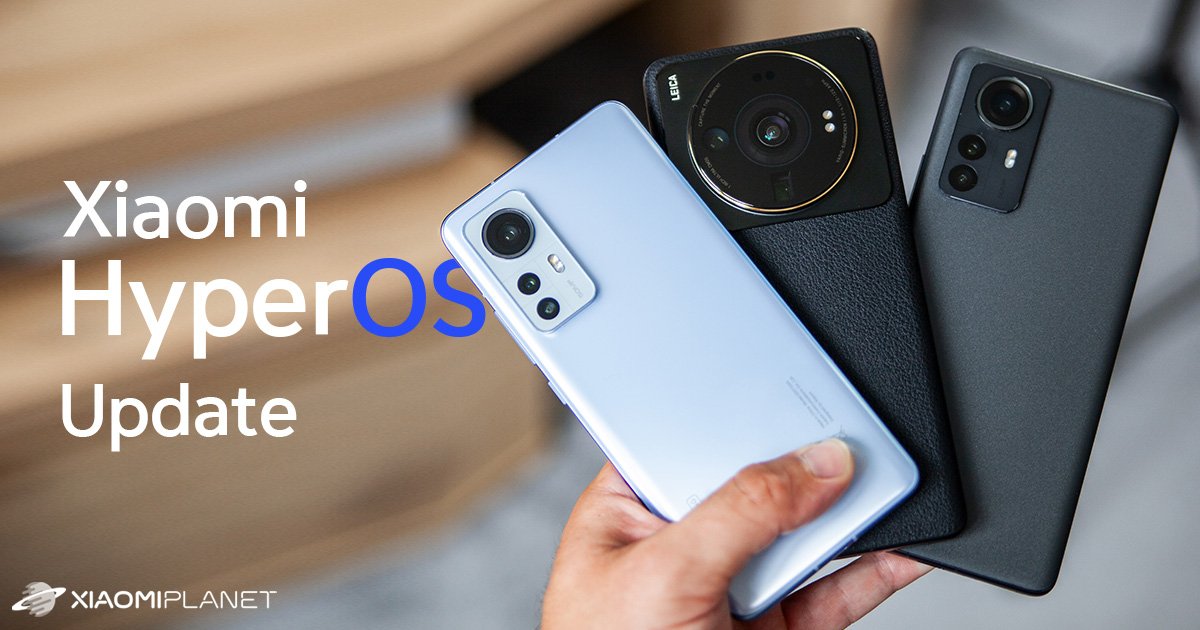
Overview Table
| Aspect | Details |
|---|---|
| Operating System Name | Xiaomi HyperOS |
| Developer | Xiaomi |
| Base Platform | Android-based unified system |
| Primary Purpose | Unified OS for phones, tablets, IoT, cars |
| Replaces | MIUI (smartphone-focused UI) |
| Core Focus | Ecosystem integration, efficiency, scalability |
| Device Coverage | Smartphones, tablets, wearables, TVs, smart home, vehicles |
| Performance Goal | Faster, lighter, more stable system |
| Design Philosophy | Minimal, modular, ecosystem-first |
| Security Focus | System-level privacy and permission control |
| AI Integration | Cross-device intelligence and automation |
| Long-Term Vision | One OS across all Xiaomi hardware |
Introduction to Xiaomi HyperOS
Xiaomi HyperOS represents one of the most significant strategic shifts in Xiaomi’s software history. For over a decade, MIUI served as the backbone of Xiaomi smartphones, evolving from a heavily customized Android skin into a feature-rich ecosystem layer. However, as Xiaomi expanded far beyond smartphones into tablets, wearables, smart home devices, and even electric vehicles, MIUI’s phone-centric structure began to show its limitations.
Xiaomi HyperOS was introduced to solve a much larger problem than UI design. It is not simply a new interface or a rebranding exercise. Xiaomi HyperOS attempt to create a unified operating system capable of scaling across device categories while maintaining consistent performance, security, and user experience.
At its core, HyperOS is about convergence. It aims to connect hardware, software, and services into a single coherent system that works seamlessly across screens, form factors, and usage scenarios. This article explores Xiaomi HyperOS in depth, covering its architecture, performance improvements, design philosophy, ecosystem integration, security model, and long-term implications for both users and the smartphone industry.
The Strategic Shift From MIUI to HyperOS
Limitations of MIUI in a Multi-Device World
MIUI was originally designed with smartphones in mind. Over time, it accumulated features, visual elements, and services tailored to mobile usage. While this made MIUI powerful, it also made it heavy and increasingly complex.
As Xiaomi expanded into televisions, smart appliances, wearables, and vehicles, adapting MIUI to each category became inefficient. Different devices required different system behaviors, yet MIUI lacked a unified architectural foundation to support such diversity.
HyperOS as a Structural Redesign
HyperOS is not just MIUI with a new name. It represents a structural redesign focused on modularity. The system is built to scale down for lightweight IoT devices and scale up for complex platforms like tablets and cars.
This modular approach allows Xiaomi to deploy only the necessary components for each device, reducing resource usage while maintaining consistency across the ecosystem.
Core Architecture of Xiaomi HyperOS
Layered System Design
HyperOS is built on a layered architecture that separates core system functions from device-specific features. At the base level, it relies on a streamlined kernel layer optimized for efficiency and low latency.
Above this sits a service layer responsible for device communication, resource management, and security enforcement. The top layer handles user interface, applications, and cross-device interactions.
This separation improves stability and allows faster updates without disrupting the entire system.
Lightweight Core Philosophy
One of HyperOS’s defining characteristics is its lightweight core. Xiaomi focused on reducing system footprint by optimizing background services, memory allocation, and storage usage.
This results in faster boot times, smoother animations, and improved responsiveness, particularly on mid-range and entry-level hardware.
User Interface and Visual Design
Minimalist Design Language
HyperOS adopts a cleaner and more restrained visual identity compared to older MIUI versions. Visual clutter has been reduced, and system animations are more consistent across apps and interactions.
The interface emphasizes readability, spacing, and smooth transitions, contributing to a more mature and polished experience.
Adaptive UI Across Devices
A key strength of HyperOS lies in its ability to adapt to different screen sizes and form factors. The same design principles apply across smartphones, tablets, and larger displays, but layouts automatically adjust for usability.
This ensures familiarity while maintaining optimal interaction models for each device type.
System Animations and Fluidity
Animations in HyperOS are designed to be subtle and functional rather than decorative. Motion feedback reinforces user actions without slowing down interactions.
This approach enhances perceived performance and reduces visual fatigue during prolonged use.
Performance Optimization and System Efficiency
Improved Resource Management
HyperOS introduces refined CPU and memory scheduling mechanisms that prioritize foreground tasks while minimizing background resource consumption.
Apps load faster, multitasking feels smoother, and system slowdowns are less frequent even under heavy usage.
Storage Optimization Techniques
The system uses advanced storage management to reduce fragmentation and improve read-write speeds over time. This helps maintain consistent performance even as the device ages.
Thermal and Power Efficiency
HyperOS works closely with hardware-level power management to balance performance and energy consumption. Adaptive performance scaling ensures that the system delivers power when needed while conserving battery during lighter tasks.
Battery Management and Power Intelligence
Smarter Background Control
HyperOS places stricter controls on background processes, preventing unnecessary wake-ups and data usage. Apps are categorized based on usage patterns, allowing the system to allocate resources intelligently.
Adaptive Charging Behavior
The operating system supports intelligent charging patterns that reduce battery wear. Charging speeds and cycles are adjusted based on user habits and usage schedules.
Long-Term Battery Health Focus
By reducing unnecessary power drain and optimizing charging behavior, HyperOS aims to extend battery lifespan, addressing one of the most common long-term smartphone concerns.
Security and Privacy Framework
System-Level Security Architecture
HyperOS integrates security at the system level rather than treating it as an add-on. Permissions, data access, and system services are closely monitored to prevent unauthorized behavior.
Granular Permission Controls
Users have fine-grained control over app permissions, including temporary and one-time access. Sensitive permissions are clearly categorized, improving transparency and trust.
Secure Cross-Device Communication
As HyperOS enables extensive device-to-device interaction, secure communication channels are a priority. Encrypted protocols ensure data integrity and privacy across the ecosystem.
Ecosystem Integration and Cross-Device Experience
Unified Device Connectivity
HyperOS enables seamless connectivity between Xiaomi devices. Smartphones can interact effortlessly with tablets, smart TVs, wearables, and home appliances.
Tasks can be transferred across devices, notifications synchronized, and content shared without complex setup.
Cross-Screen Collaboration
Users can extend apps across multiple screens, control devices from a central hub, and manage workflows that span different hardware categories.
This level of integration transforms individual devices into components of a larger digital environment.
Smart Home Integration
HyperOS serves as a control layer for Xiaomi HyperOS smart home ecosystem. Devices communicate efficiently, enabling automation scenarios that respond to user behavior and environmental conditions.
AI Integration and Intelligent Features
Context-Aware System Behavior
HyperOS incorporates AI-driven intelligence to adapt system behavior based on usage patterns. The system learns which apps are frequently used, when charging typically occurs, and how devices are interacted with.
This allows proactive optimization rather than reactive adjustments.
Intelligent Automation
Automation routines can trigger actions across devices based on conditions such as location, time, or user activity. This enhances convenience without requiring constant manual input.
On-Device Intelligence Focus
Rather than relying heavily on cloud processing, HyperOS emphasizes on-device intelligence where possible. This improves responsiveness and reduces data dependency.
Application Ecosystem and Compatibility
Android App Compatibility
HyperOS maintains full compatibility with Android applications, ensuring that users retain access to a vast app ecosystem.
Developers can continue building Android apps while benefiting from HyperOS-level optimizations.
System App Optimization
Xiaomi HyperOS system apps are optimized to integrate deeply with HyperOS features, offering better performance and consistency across devices.
Developer Opportunities
The unified nature of HyperOS opens new possibilities for developers to create experiences that span multiple devices, encouraging ecosystem-level innovation.
HyperOS on Smartphones
Everyday User Experience
On smartphones, HyperOS delivers faster interactions, improved battery life, and a cleaner interface compared to previous MIUI versions.
Users experience fewer interruptions, smoother transitions, and more predictable behavior.
Gaming and Performance Use Cases
Gaming performance benefits from improved resource allocation and thermal management. Frame rates remain stable, and background interference is minimized.
Camera and Multimedia Integration
HyperOS enhances camera responsiveness and multimedia processing through optimized pipelines, resulting in quicker capture times and smoother playback.
HyperOS Beyond Smartphones
Tablets and Large Screens
On tablets, HyperOS takes advantage of larger displays with multi-window support, optimized layouts, and enhanced productivity features.
Wearables and Lightweight Devices
For wearables and IoT devices, HyperOS scales down to provide essential functionality with minimal resource usage, ensuring long battery life.
Automotive Integration
HyperOS extends into vehicles, acting as a central operating layer that connects infotainment systems with the broader Xiaomi ecosystem.
Comparison With Other Ecosystem Operating Systems
HyperOS Versus Traditional Android Skins
Unlike conventional Android skins that focus primarily on UI customization, HyperOS emphasizes system-level integration and scalability.
HyperOS Versus Closed Ecosystems
While closed ecosystems prioritize control, HyperOS aims to balance openness with deep integration, offering flexibility alongside consistency.
Challenges and Criticisms
Transition Complexity
Moving from MIUI to Xiaomi HyperOS involves adaptation for users accustomed to older workflows. Some learning curve is inevitable.
Ecosystem Dependency
The full benefits of Xiaomi HyperOS are most apparent within the Xiaomi ecosystem. Users with mixed-brand devices may not experience its complete potential.
Long-Term Execution
The success of Xiaomi HyperOS depends on consistent updates, developer support, and long-term commitment from Xiaomi.
Future Roadmap and Vision
Continuous Optimization
Xiaomi HyperOS is designed to evolve through incremental improvements rather than radical redesigns. Performance, security, and intelligence are expected to improve over time.
Expanding Device Coverage
Xiaomi HyperOS growing hardware portfolio ensures that Xiaomi HyperOS will continue expanding into new categories, strengthening ecosystem cohesion.
Industry Influence
If successful, Xiaomi HyperOS could influence how other manufacturers approach operating system design in multi-device environments.
Impact on Xiaomi’s Brand Strategy
Strengthening Ecosystem Identity
HyperOS reinforces Xiaomi HyperOS identity as an ecosystem-driven technology company rather than a smartphone-only brand.
Competitive Differentiation
A unified operating system provides a competitive advantage by offering experiences that are difficult to replicate through hardware alone.
Final Analysis of Xiaomi HyperOS
Xiaomi HyperOS is a bold and necessary evolution that reflects the company’s expanding ambitions. It addresses the limitations of smartphone-centric software and lays the foundation for a unified digital ecosystem.
Rather than focusing solely on visual changes, Xiaomi HyperOS prioritizes architecture, efficiency, and integration. This strategic focus positions Xiaomi for long-term relevance in an increasingly interconnected device landscape.
Conclusion
Xiaomi HyperOS is more than a replacement for MIUI. It is a foundational platform designed to unify devices, services, and experiences under a single operating framework. By emphasizing modularity, performance efficiency, and ecosystem integration, Xiaomi has taken a significant step toward future-proofing its software strategy.
While challenges remain, the vision behind Xiaomi HyperOS is clear and ambitious. If executed consistently, it has the potential to redefine how users interact with technology across devices, making Xiaomi HyperOS ecosystem more cohesive, intelligent, and resilient in the years to come.
