

| Category | Details |
|---|---|
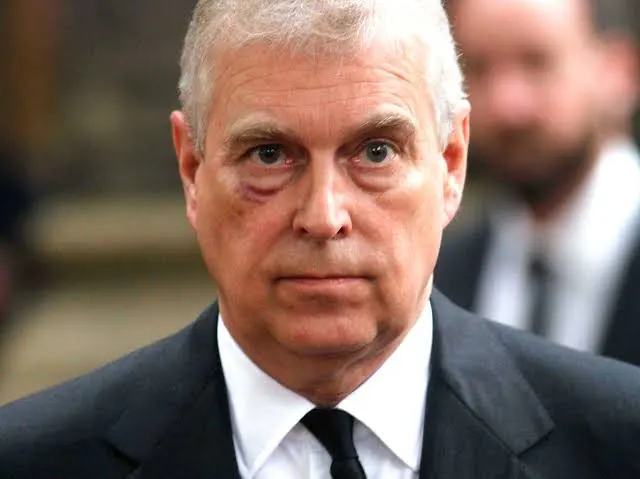
| Full Name | Prince Andrew Albert Christian Edward |
| Title | Duke of York |
| Date of Birth | February 19, 1960 |
| Place of Birth | Buckingham Palace, London, England |
| Parents | Queen Elizabeth II and Prince Philip, Duke of Edinburgh |
| Siblings | Charles, Anne, Edward |
| Education | Heatherdown School, Gordonstoun School, Britannia Royal Naval College |
| Military Service | Royal Navy (Helicopter Pilot, Falklands War service, Rear Admiral) |
| Marriages | Sarah Ferguson (1986–1996) |
| Children | Princess Beatrice (1988), Princess Eugenie (1990) |
| Royal Duties | Public engagements, patronages, charitable work, trade promotion |
| Controversies | Legal challenges, associations under scrutiny, public criticism |
| Step Back | Reduced public duties post-controversy |
| Philanthropy | Youth development, entrepreneurship, education, technology initiatives |
| Public Perception | Mixed: admired for service, criticized for controversies |
| Legacy | Military service, royal representation, philanthropy, cautionary example |
Prince Andrew Introduction
Prince Andrew, Duke of York, is one of the most high-profile members of the British royal family. Born into the House of Windsor, he has lived a life marked by privilege, duty, and intense public scrutiny. Over the decades, Prince Andrew has had a career spanning military service, public engagements, and charitable work, alongside becoming the focus of major controversies that have affected both his personal life and the royal institution.
His life reflects the complexities of being a royal in the modern era: balancing personal ambition, familial expectations, and public accountability. While admired by some for his military service and dedication to certain causes, he has also faced criticism and legal challenges that have shaped public perception. Understanding Prince Andrew’s life requires examining both his accomplishments and his controversies, providing a comprehensive view of his journey from a young prince to a central figure in contemporary debates about the monarchy.
Prince Andrew Early Life and Upbringing
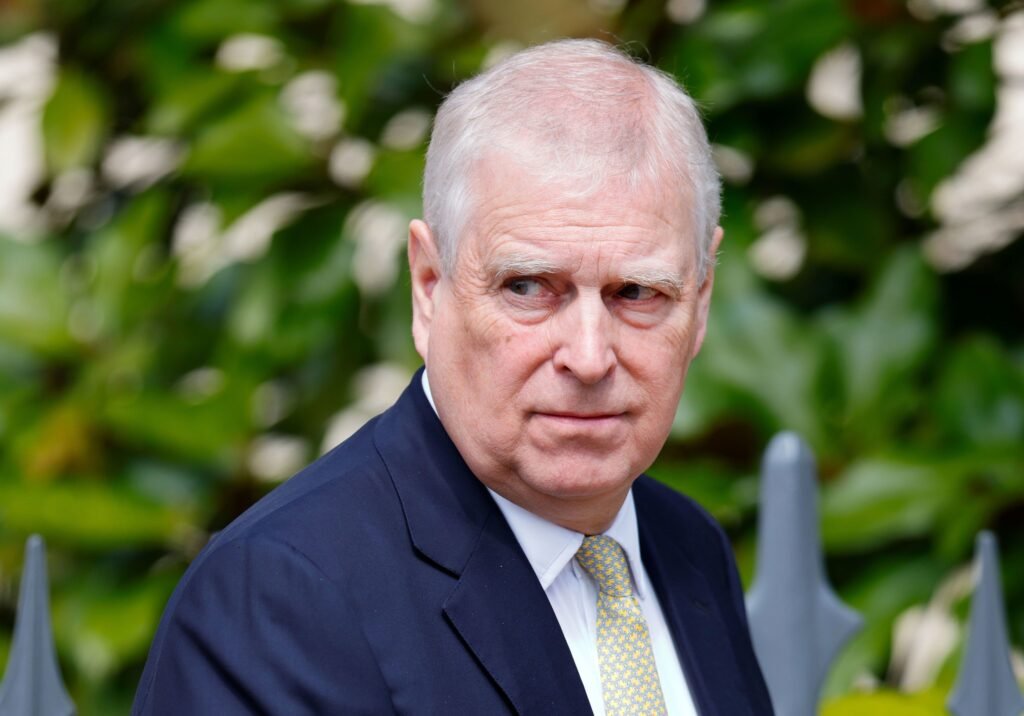
Prince Andrew Albert Christian Edward was born on February 19, 1960, at Buckingham Palace, London. He is the third child and second son of Queen Elizabeth II and Prince Philip, Duke of Edinburgh. Growing up in one of the most famous families in the world, Andrew’s early life was heavily influenced by royal traditions, public expectations, and ceremonial duties. His childhood was marked by education under private tutors and schooling at prestigious institutions, including Heatherdown School and Gordonstoun School, where he followed in the footsteps of his father.
The young prince was known for his energetic personality, athleticism, and interest in sailing, sports, and military matters. He grew up alongside his siblings — Charles, Anne, and Edward — in a household that balanced royal protocol with modern expectations of public service. These formative years instilled in him a sense of duty, ambition, and awareness of the scrutiny that comes with being a member of the British monarchy.
Prince Andrew Education and Early Interests
Prince Andrew’s education emphasized leadership, discipline, and service. At Gordonstoun, he excelled in sports and outdoor activities, demonstrating both physical capability and resilience. He later attended Britannia Royal Naval College in Dartmouth, where he trained rigorously for a career in the Royal Navy. This period shaped his interest in naval operations, military strategy, and international relations.
Beyond academics, Andrew developed a lifelong passion for sailing and aviation, participating in various competitive events and training programs. His early interests foreshadowed the dual trajectory of his life: a commitment to national service through the military and active participation in public and ceremonial royal duties. The combination of academic preparation, physical training, and personal interests equipped him with skills and experiences that would define much of his adult life and public persona.
Prince Andrew Military Career
Prince Andrew’s military career is among the most notable aspects of his life. He joined the Royal Navy as a midshipman in 1979 and quickly rose through the ranks, earning respect for his dedication, leadership, and technical proficiency. In the 1980s, he trained as a helicopter pilot and served aboard HMS Invincible, gaining experience in naval operations, flight missions, and strategic planning.
One of the most significant moments in his career was his active service during the Falklands War in 1982, where he served as a helicopter pilot. This contribution to military operations earned him recognition and bolstered his reputation as a royal actively participating in national defense. Prince Andrew continued his naval career into the 1990s, eventually attaining the rank of Rear Admiral. His military service reflects a commitment to duty and public service, demonstrating that members of the royal family can engage directly in national defense, not only ceremonial roles.
Prince Andrew Royal Duties and Public Life
Beyond his military career, Prince Andrew assumed a variety of public responsibilities as Duke of York. He represented the royal family at national and international events, hosted diplomatic visits, and supported charitable organizations. His work often focused on business development, trade promotion, and youth empowerment. As a senior royal, he engaged with numerous nonprofit initiatives, particularly those supporting education, technology, and entrepreneurship.
Andrew’s public appearances and advocacy aimed to strengthen ties between the monarchy and the broader public, showcasing royal involvement in civic and economic affairs. While these duties provided opportunities for visibility and influence, they also subjected him to continuous media attention and scrutiny, highlighting the challenges of navigating public expectations while maintaining personal privacy. His role illustrates the balancing act inherent in modern monarchy — fulfilling ceremonial obligations while also engaging meaningfully in public and charitable work.
Prince Andrew Marriages and Personal Life
Prince Andrew’s personal life has been a prominent aspect of public interest. In 1986, he married Sarah Ferguson, commonly known as Fergie, in a ceremony attended by royalty and dignitaries. The marriage produced two daughters: Princess Beatrice (born 1988) and Princess Eugenie (born 1990). Initially celebrated as a fairy-tale union, their marriage faced challenges, including intense media scrutiny, personal disagreements, and public scandals.
Andrew and Fergie separated in 1992 and officially divorced in 1996. Despite the divorce, he maintained close relationships with his daughters and continued to engage in family events. His personal life has been both celebrated for its royal significance and critiqued for public controversies, underscoring the pressures and limitations placed on members of the monarchy regarding relationships, privacy, and public perception.
Prince Andrew Controversies and Legal Challenges
Prince Andrew has faced several controversies that have significantly affected his public image. Most notably, he became embroiled in legal and reputational challenges related to associations with high-profile individuals and allegations that have drawn international attention. These controversies led to intense media scrutiny, public debate, and diplomatic sensitivity, particularly because they intersected with legal and ethical considerations.
The scrutiny prompted him to step back from public duties and limit official royal engagements, impacting his visibility and role within the monarchy. These events highlight the challenges faced by royals in the modern era, where personal associations and public accountability are closely examined. They also illustrate how controversies can overshadow decades of service, reshaping public perception and institutional responsibility.
Prince Andrew Step Back from Royal Duties
Following increasing public scrutiny and controversy, Prince Andrew announced a decision to step back from royal duties. This move included relinquishing public engagements, patronages, and official representation of the royal family. Stepping back aimed to reduce media attention on the monarchy while allowing legal and personal matters to be addressed independently. The decision reflects the complex dynamics of royal life, where personal actions have broader implications for the institution’s reputation. It also signifies a period of transition in which he continues to manage private affairs and familial relationships while navigating public perception. This step back demonstrates the balance between personal accountability and institutional preservation, emphasizing the responsibilities inherent in public service at the royal level.
Prince Andrew Philanthropy and Charitable Work
Throughout his public life, Prince Andrew has supported numerous charitable organizations, particularly those focused on education, entrepreneurship, youth development, and technology. His patronages included initiatives aimed at creating opportunities for young professionals, fostering innovation, and promoting economic engagement. Even amid controversies, he maintained involvement in charitable efforts, highlighting a commitment to service beyond personal or political ambitions. Philanthropy has been a key element of his royal identity, emphasizing the role of royals as advocates for social and economic improvement. These activities also illustrate how public figures can leverage their visibility and networks to support causes and impact communities positively, reinforcing a legacy of service alongside personal achievements.
Prince Andrew Media and Public Perception
Media coverage has played a central role in shaping Prince Andrew’s public perception. While early reports focused on his military service, royal engagements, and personal achievements, later coverage concentrated on controversies, legal matters, and associations with public figures. This duality highlights the influence of media in constructing public narratives about high-profile individuals. Public perception of Andrew has fluctuated over time, reflecting both admiration for his service and criticism for alleged lapses in judgment. His experience underscores the challenges of managing visibility in the modern media landscape, particularly for members of the royal family whose actions are constantly scrutinized by journalists, commentators, and global audiences.
Prince Andrew Legacy and Historical Context
Prince Andrew’s legacy is multifaceted, encompassing military service, royal representation, charitable involvement, and public scrutiny. He has contributed to national defense, economic advocacy, and philanthropic efforts, while also navigating controversies that have reshaped his role within the monarchy. His life offers a lens through which to examine the responsibilities and limitations of modern royals, the interplay between personal choices and institutional impact, and the evolving expectations of public figures in contemporary society. Historians and analysts may view Andrew’s legacy as a combination of service, privilege, and cautionary lessons, reflecting the broader complexities of royal life in the 20th and 21st centuries.
Prince Andrew Lessons from Prince Andrew’s Life
Prince Andrew’s life provides several lessons about leadership, public responsibility, and accountability:
- Duty and Service: Active military and public service demonstrate the importance of commitment to one’s role.
- Public Scrutiny: High-profile positions come with constant visibility; personal choices carry institutional consequences.
- Adaptability: Navigating both service and controversy requires adaptability and resilience.
- Philanthropy Matters: Contributing to charitable causes can positively impact legacy, even amid personal challenges.
- Privacy vs. Public Life: Balancing personal privacy with public responsibility is essential for individuals in positions of influence.
Conclusion
Prince Andrew’s life is emblematic of the challenges and responsibilities faced by modern royals. With accomplishments in military service, royal duties, and philanthropy, he has contributed meaningfully to national and public life. Simultaneously, controversies and legal challenges have reshaped his role and public perception, illustrating the delicate balance between personal actions and institutional impact. His biography provides insights into the pressures, privileges, and complexities of life as a senior member of the British royal family. By examining both his achievements and controversies, one can gain a nuanced understanding of Prince Andrew’s enduring, if complicated, presence in contemporary history.
